#bitcoin #ICO #bitchain #btc #cryptocurrency #money #market #crypto #investing #today #trading #value #cash #getbitcoin #bitcointops #currency #dollar #crash #million #coinbase
#investing #today #trading #value #cash #getbitcoin #bitcointops #currency #dollar #crash #million #coinbase #bitcoin #ICO #bitchain #btc #cryptocurrency #crypto
#goBack #lost #hello #back #helloWorld #bitcoin #loosed #find #post #nono #why #yes #bitcoin #getbitcoin #search #currency #dollar #IamLost #findMe #searchMe
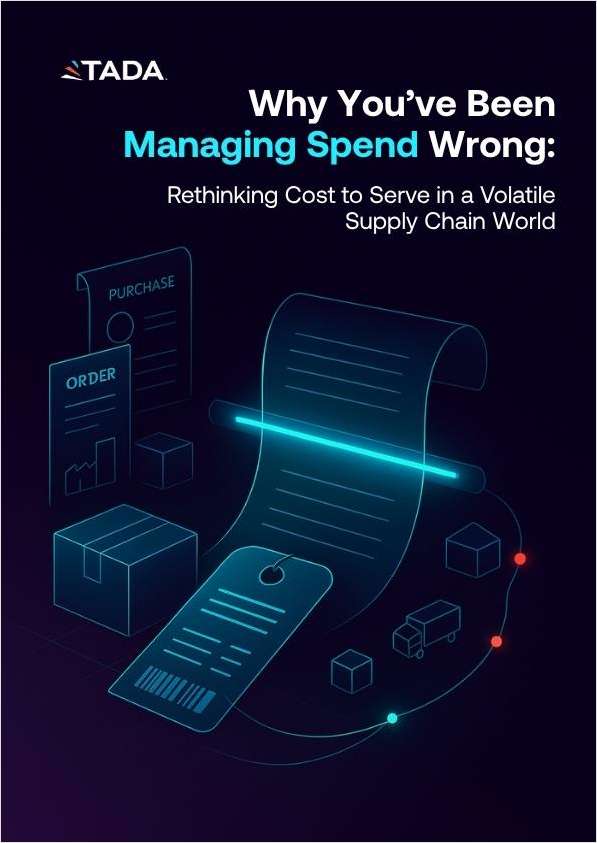
Spend defines the economics of the enterprise. It sets the true cost to serve, shapes competitiveness, and underpins profitability.
Most organizations still manage spend with static reports, fragmented systems, and processes that miss how costs drift and cascade across suppliers, logistics, and operations. Leaders do not just need backward-looking analysis. They need connected visibility, intelligent forecasting, and the ability to turn signals into action.
This paper outlines a practical model for modern spend management. It begins with a connected view of total cost to serve that unifies procurement, logistics, warehousing, finance, and supplier performance. It adds a living behavioral layer that detects drift early and reveals interdependencies. It closes with orchestration, where AI-enabled playbooks drive actions such as alternate sourcing, renegotiation, rerouting, and rescheduling.
The approach moves teams from snapshots to continuous monitoring, from siloed metrics to a single source of truth, and from information to execution. Case examples show how organizations mitigate tariff shocks, surface vendor performance drift, and cut the hidden costs that erode margin. The future state is clear. Executives see cost to serve in real time, teams act before risk escalates, and procurement becomes a strategic engine for resilience and advantage.
Spend is not a back-office concern. It is a strategic lever. Companies that evolve beyond outdated spend analysis unlock sustained savings and agility. Those that do not will face hidden costs, late interventions, and competitive loss.